Graduate ProjectFall 2025
Structural health monitoring with machine learning
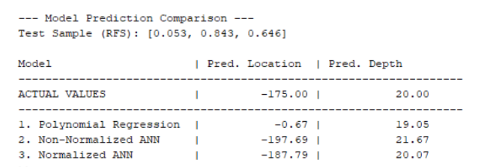
Developed an artificial neural network to characterize vibration response and detect damage in a cantilever beam. Generated and processed large modal-frequency datasets, optimized MATLAB scripts for faster training cycles, and validated crack location and severity predictions against physical damage conditions.
Media showcase
Overview
A graduate structural health monitoring project that uses machine learning to detect damage in a cantilever beam from its vibration response. An artificial neural network was trained on modal-frequency data to predict crack location and severity without physically inspecting the structure.
Key highlights
- Generated and processed large modal-frequency datasets for network training.
- Optimized MATLAB scripts to shorten training cycles on large datasets.
- Trained an ANN to predict crack location and severity from frequency shifts.
- Validated predictions against physical damage cases on the beam.